
 Image 1 of 1
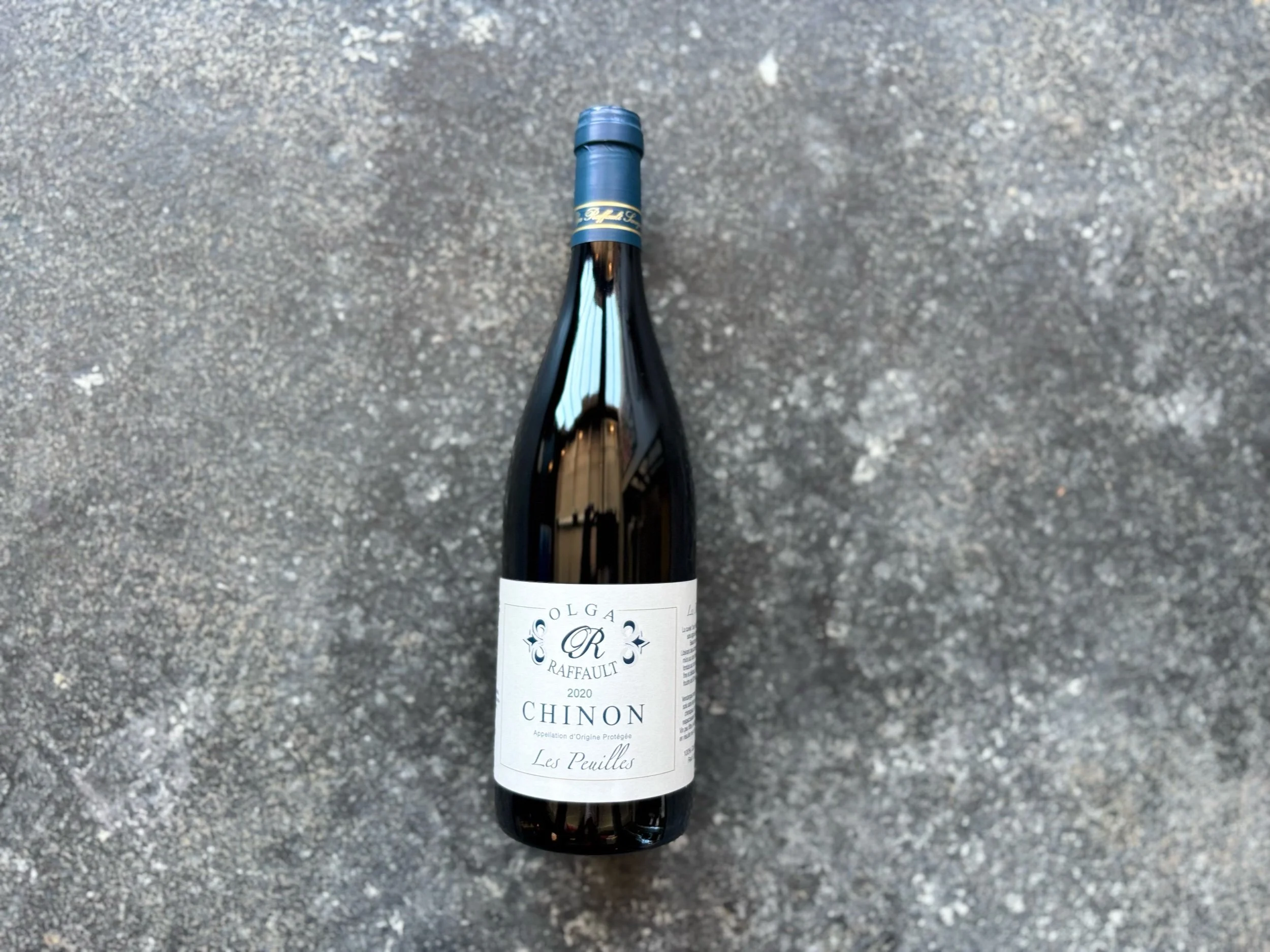
Location: France, Loire, Chinon
Winemaker: Sylvie Raffault & Eric de la Vigerie
Grapes: Cabernet Franc
Soil: Sand, gravel
From the Importer Louis/Dressner Selections: Since Olga's death, Domaine Olga Raffault is currently run by her granddaughter Sylvie and her husband Eric de la Vigerie.
The estate has terrific plots of land in the Savigny-en-Véron district, right by the Vienne riverbanks. The "Les Picasses" vineyard stands out from the rest: old vines of 50-ish years on a fairly steep slope from the riverbank that is alluvial clay with a chalk limestone base. The fruit is particularly expressive of cassis and dark cherries with a terrific mineral content and good acidity for structure.
The winemaking is most traditional. The grapes are, of course, handpicked and fermented in stainless-steel. The wines are then aged in larger, neutral oak and sometimes chestnut - a traditional wood barrel in the region. The "Picasses" spends two to three years in oak, to reduce the wine and soften the tannins, and is usually released about four years after the vintage.
Location: France, Loire, Chinon
Winemaker: Sylvie Raffault & Eric de la Vigerie
Grapes: Cabernet Franc
Soil: Sand, gravel
From the Importer Louis/Dressner Selections: Since Olga's death, Domaine Olga Raffault is currently run by her granddaughter Sylvie and her husband Eric de la Vigerie.
The estate has terrific plots of land in the Savigny-en-Véron district, right by the Vienne riverbanks. The "Les Picasses" vineyard stands out from the rest: old vines of 50-ish years on a fairly steep slope from the riverbank that is alluvial clay with a chalk limestone base. The fruit is particularly expressive of cassis and dark cherries with a terrific mineral content and good acidity for structure.
The winemaking is most traditional. The grapes are, of course, handpicked and fermented in stainless-steel. The wines are then aged in larger, neutral oak and sometimes chestnut - a traditional wood barrel in the region. The "Picasses" spends two to three years in oak, to reduce the wine and soften the tannins, and is usually released about four years after the vintage.